Showing posts with label heart. Show all posts

Wednesday, March 26, 2014

Thoracic Surgeon


Duties and Responsibilities:
A thoracic surgeon performs heart, lungs, esophagus, and other organs in the chest. The thoracic surgeon is responsible for all anesthesia, and cutting open and stitching of the patient. The thoracic surgeon also prescribes medication for pain relief and a quick recovery.

Salary:
$101,736-$486,053

Education:
You need a completion of any four-year that meets the prerequisites needed to get into medical school, four years in medical school, five years in a surgical residency program, and two to three years of advanced training in cardiothoracic surgery.

I wouldn’t like to be one because malpractice can have really bad consequences. 


Friday, March 7, 2014

Student success Statement

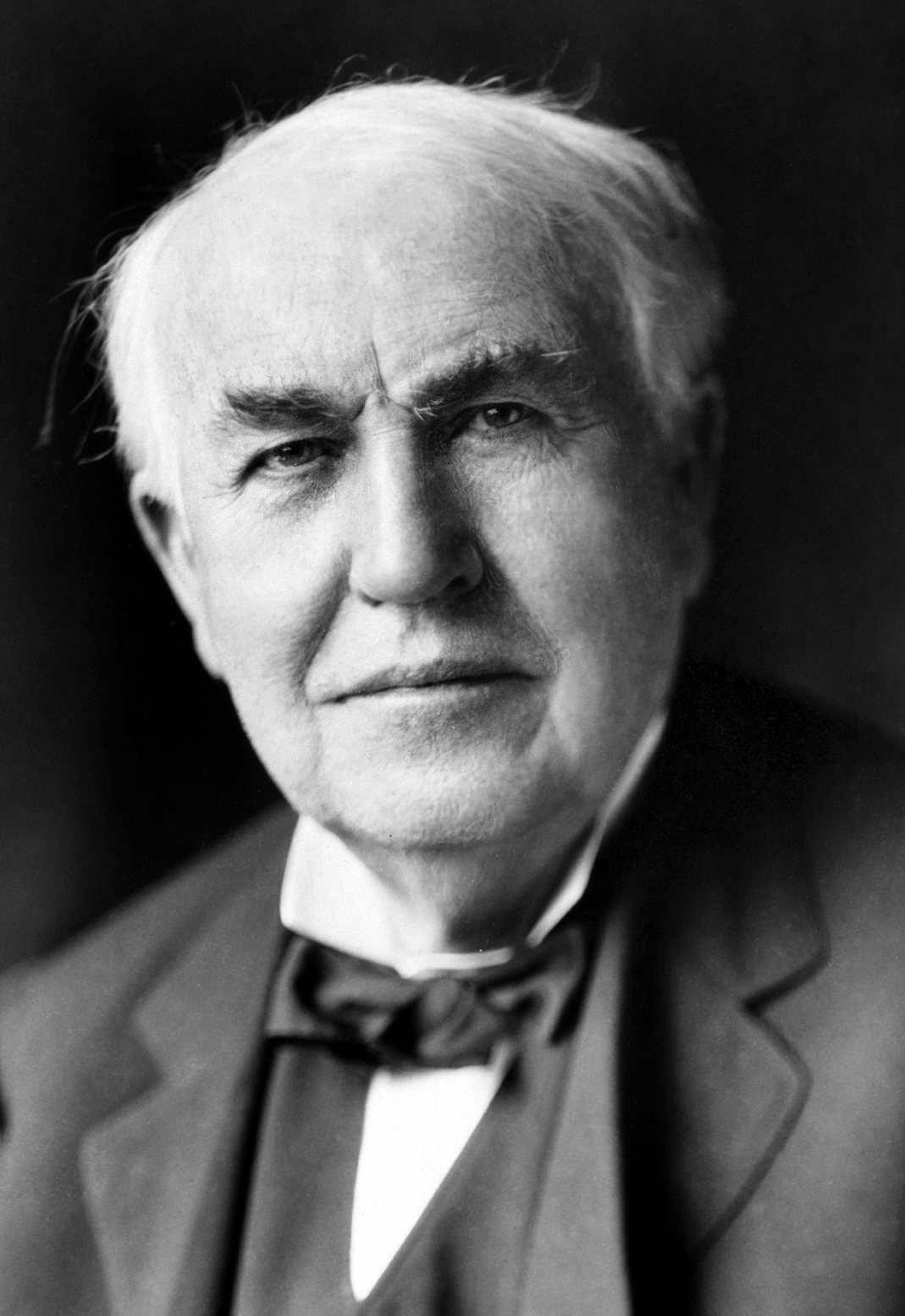
“Your worth consists in what you are, not what you have.”
-Thomas Edison, Inventor

Materials things are nothing compared to the beauty we have within us. As a human being we have so much to offer in values and opportunity. Material things come and go but who you are is all you will ever have for sure. I can be the poorest person in the world and have a heart that is worth all the gold on earth or be a billionaire and be worth less than a penny if I have bad intentions toward the world.


Friday, February 28, 2014

Perfusionist
Duties and Responsibilities:
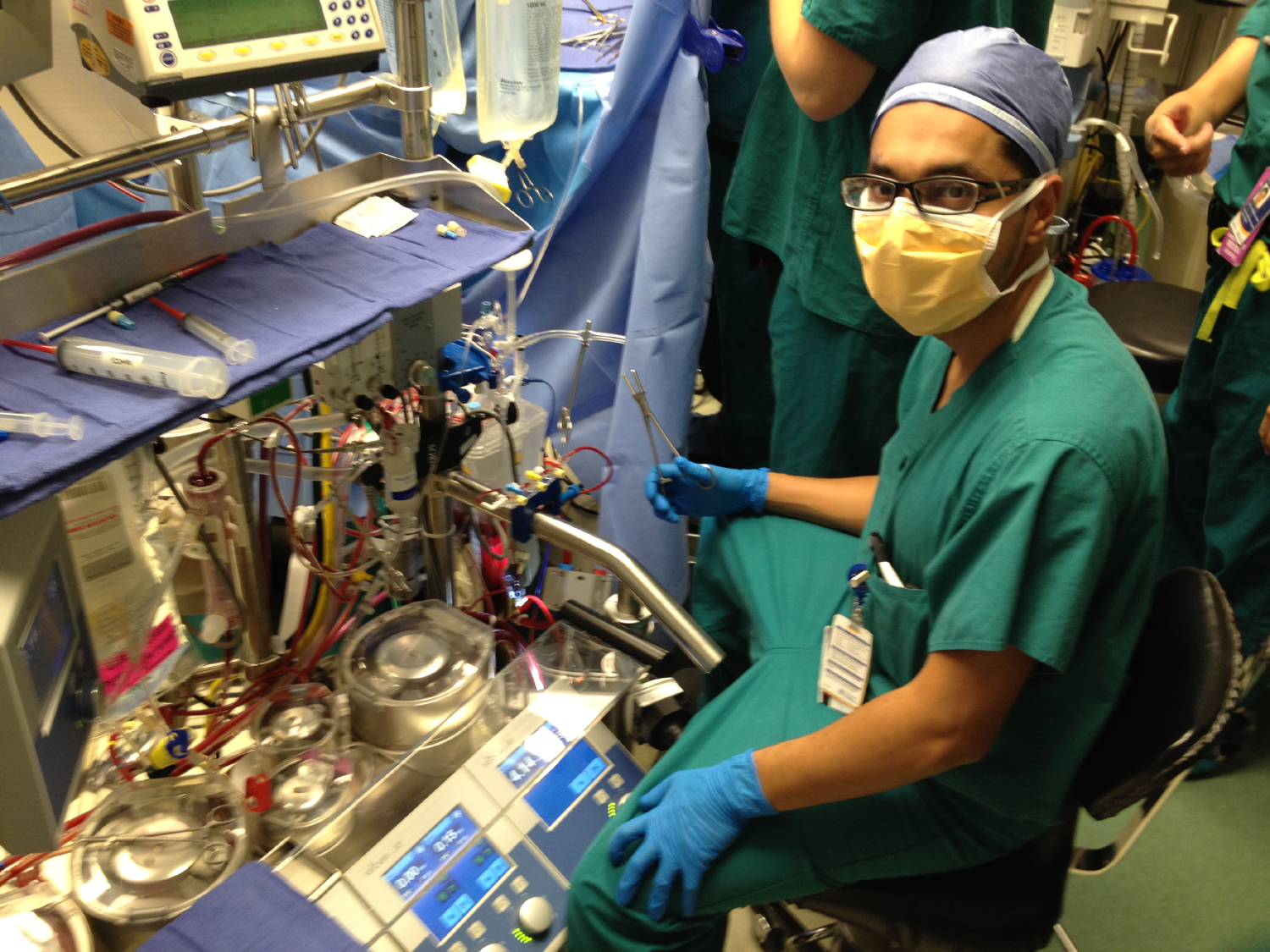
Clinical perfusionists operate circulation equipment during medical situations when it is necessary to temporarily and artificially replace the patient’s circulatory or respiratory functions.  This occurs during heart surgery and similar operations.  Perfusionists also control the temperature of patients during surgery.  They  operate lung machines, administer anesthesia and medication.
Average Salary:  $50,000
Educational Requirements:
A high school diploma with a strong background in biology and chemistry is required to be accepted in perfusionist training programs.  Admissions preference is given to students with college science work or experience in respiratory therapy and medical terminology.
Perfusionist training programs are given at academic health centers and medical schools and universities.  They emphasize hands-on, practical training.  Course length varies. 
 I would not like to be one because it is a very very very big responsibility.

Friday, January 17, 2014

Monitor Surveillance Technician

                                                        Monitor Surveillance Technician 
Duties and Responsibilities:
 Monitor surveillance technicians observe the electrical activity of heartbeats which is graphically displayed on monitors in cardiac care units of hospitals.  They examine these patterns and provide the results to physicians and nursing staff.  They Gather and report heart pattern information on patients ,operate monitoring computers that at the same time display multiple patient results, Identify heart pattern changes and abnormalities, clean and maintain equipment, battery packs, and wiring systems.

Salary: $26,000 - $41,00

Education: 
Students wanting to become Monitor Surveillance Technicians should take math, science, and computer technology courses in high school. After they graduate high school they can enroll in training programs at vocational schools, community colleges, or hospitals.  Program length varies from three months to two years.


Reflection: I would not like to become one because I have other dreams and goals I would want to be and accomplish

Wednesday, October 30, 2013


“Educating the mind without educating the heart is no education at all”
-Aristotle

Education is very important. Facts and calculations play a very important role in our life. But all that mathematics and good grammar do not make us educated. What makes us educated is those components PLUS the education of values and the building of our true character. I can be a math genius but if I have no morality I might as well be seen as an ignorant dunce. Our heart is just as important as our brain. Both should be well taken care of so we could truly see ourselves as intelligent people.

Tuesday, October 22, 2013

Electrocardiograph Technician

Electrocardiograph Technician
Duties and responsibilities:
Electrocardiograph (ECG or EKG) technicians usually work under the supervision of cardiologists in hospitals, doctors’ offices, clinics, or bedside. They operate electrocardiogram equipment to monitor patients’ heart problems. They:
·         Connect electrodes to patients
·         Insert and remove catheters
·         Monitor equipment output
·         Record test results
·         Identify emergencies or abnormalities
·         Operate ultrasound equipment
Average salary: $15,000- $32,000
Educational Requirements:
Electrocardiograph technicians must have a high school diploma or GED before beginning specialized training.
Electrocardiograph training can be obtained through vocational schools, community colleges, and is some cases through on-the-job supervised experience. Basic training takes three to six months. Advanced training takes one to two years.

CHOOSE THE RIGHT!!!